Timber Window Colours: Choosing a Finish That Suits Your Home
Read time: 6 Minutes
Choosing the right timber window colour helps your home feel more balanced, considered and true to its character.
Choosing Timber Window Colours Starts With the Property
Timber window colours should not be chosen in isolation. The best finish is usually the one that works with the property’s age, architecture, materials and surroundings.
A colour that looks good on a sample may feel different once it sits against brick, stone, render, roof tiles, doors or interior finishes. For bespoke timber windows, colour should be considered alongside the window style, glazing bars, frame proportions, ironmongery and any matching timber doors.
The aim is simple: the windows should feel like they belong to the home.
How Different Timber Window Colours Change the Look of a Home
Different colours can completely change how timber windows appear.
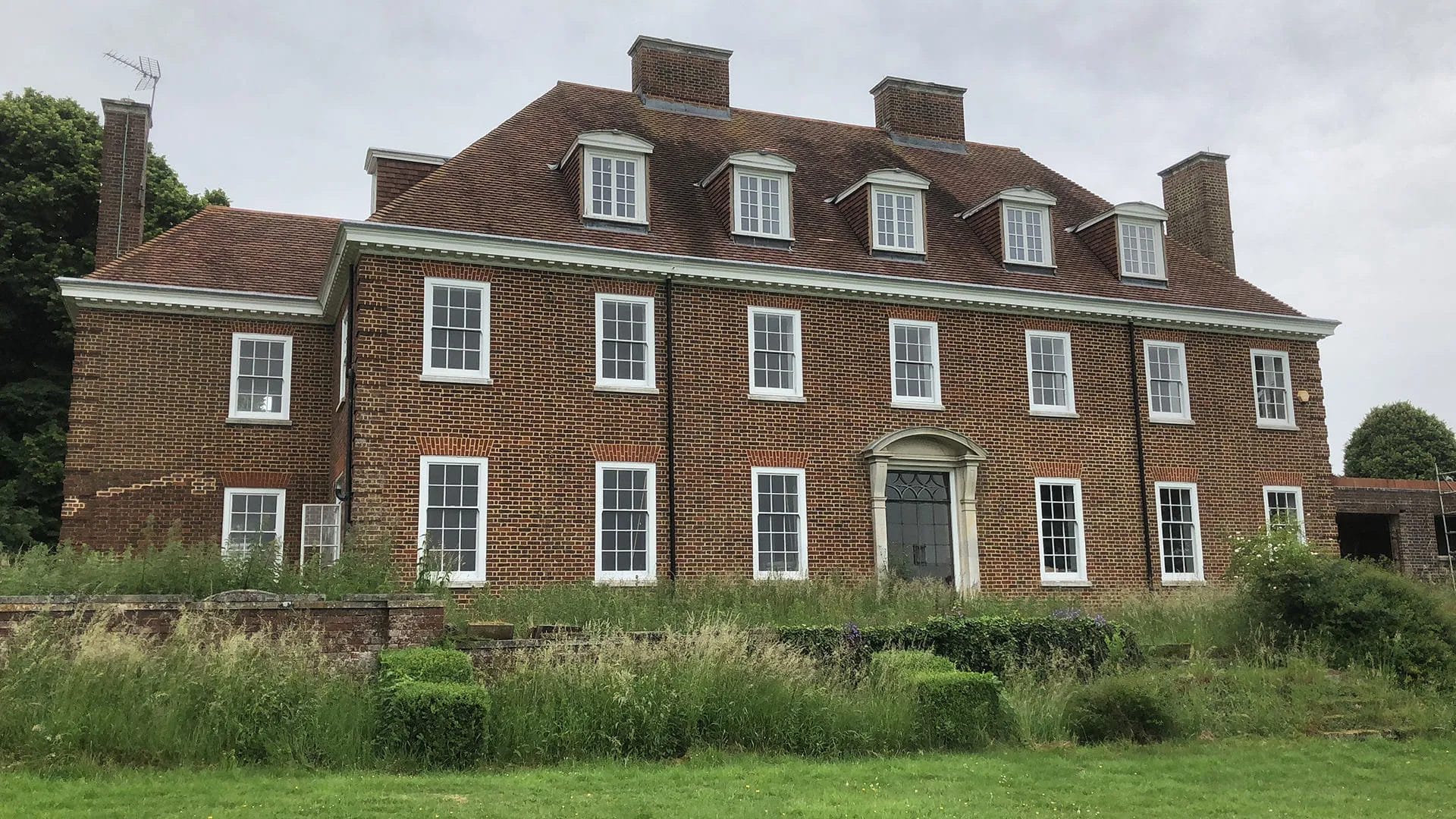
Light colours such as white, off-white and cream often create a classic, clean and traditional finish. However, brilliant white can sometimes look too modern and may even be mistaken for uPVC, especially on character or period properties. Softer off-whites are often preferable because they feel warmer, more natural and more in keeping with timber joinery.
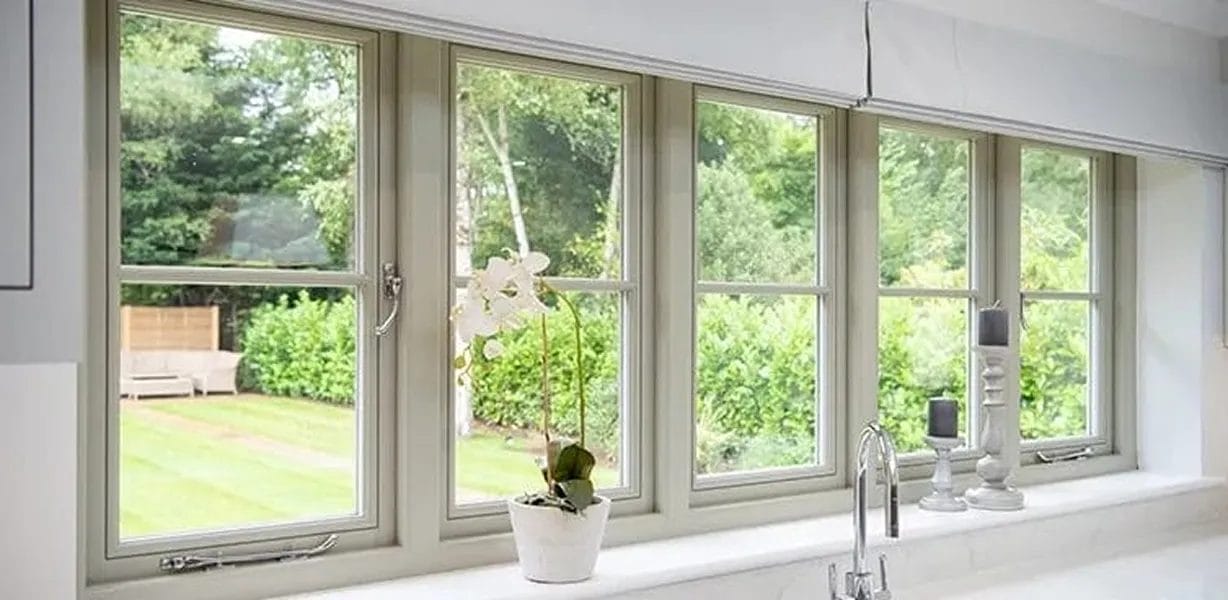
Muted tones such as soft grey, stone, sage green or heritage-inspired shades can create a more understated look. Darker colours such as charcoal, black or deep green can add definition and contrast, especially on modern renovations or strong architectural elevations.
The right choice depends on whether the windows should blend into the property or create a stronger design statement.
Matching the Colour to the Style of Your Home
A period home will usually need a different approach from a modern extension or new renovation.
For period and heritage-style properties, softer and more traditional colours often feel more natural. Off-white, cream, muted green, stone or deeper classic tones can help new timber windows sit comfortably within the existing architecture.
For country homes and rural properties, the surrounding landscape can also guide the finish. Softer greens, warm neutrals and natural tones may work well where the home sits within a garden, village or countryside setting.
For modern homes, there may be more flexibility. Crisp whites, greys, black or stronger contrast colours can create a cleaner architectural look, but the colour still needs to work with the full property, not just one elevation.
Painted, Stained and Colour Matched Finishes
Timber window finishes are not only about colour. The type of finish also affects the overall appearance.
Painted timber windows create a smooth, consistent look and offer a wide choice of colours. Stained or natural timber finishes show more of the grain and can create a warmer, more organic appearance.
Another benefit of bespoke timber windows is colour matching. Rather than being limited to a small standard range, timber windows can often be colour matched from almost any recognised paint chart. This helps homeowners achieve a durable paint finish that suits the colour palette they already like, whether that is based on exterior materials, interior design or existing joinery.
Dual Colour and Two-Tone Timber Windows
Dual colour is also an option.
This can mean choosing one colour for the outside of the window and a different colour for the inside. It is useful when the exterior needs to suit the architecture, while the interior needs to work with the design of each room.
A two-tone external finish can also be considered. For example, the outer frames may be finished in one colour while the casements are finished in another, such as black frames with white casements. This can create a more distinctive look when it suits the property style.
Should Timber Windows Match the Front Door?
Timber windows and front doors do not always need to match.
It is common for the front door to be a different colour so it stands out and draws attention to the entrance. This can work especially well when the door is intended to be a focal point of the property.
Other external doors would typically match the window colour to keep the wider joinery scheme consistent. This can include French doors, rear doors or other timber doors around the property.
Common Mistakes When Choosing Timber Window Colours
One common mistake is choosing a colour based only on a sample, without thinking about the whole property.
Another is choosing brilliant white when a softer off-white would be more appropriate. On some homes, a bright white finish can make timber windows look too modern or too similar to uPVC.
It is also easy to follow a trend that does not suit the home. Good colour choices are not just about personal taste. They are about balance, context and long-term appeal.
Getting the Colour Right Before Manufacture
With bespoke timber windows, the colour and finish are agreed before the windows move into manufacture. This makes the decision an important part of the wider project process.
During the early stages, the property, preferred style and overall specification can be discussed. Once the quotation is refined, the order is placed and the final survey confirms the details before production begins.
Taking time to choose the right colour before manufacture helps avoid rushed decisions and supports a more considered final result.
Frequently Asked Questions
What are the most popular timber window colours?
Popular timber window colours include off-white, cream, soft grey, muted green, black and deeper neutral tones. Softer off-whites are often preferred over brilliant white because they can look warmer and more natural on timber windows.
Can timber windows be colour matched?
Yes. Timber windows can often be colour matched from almost any recognised paint chart, helping homeowners achieve a durable paint finish that suits their preferred colour palette.
Can timber windows be different colours inside and outside?
Yes. Dual colour timber windows can have one colour externally and another internally. This is useful when the outside needs to suit the architecture while the inside works with the interior design.
Should timber window colours match the front door?
Not always. It is common for the front door to be a different colour so it stands out and highlights the entrance. Other external doors would typically match the window colour for consistency.
Thinking About Timber Window Colours?
If you are planning new timber windows, the right colour and finish can make a significant difference to the final result.
Whether you want a traditional heritage feel, a clean contemporary finish, a dual colour option or a colour matched paint finish, our team can guide you through the options.