How Slimline Double Glazing Helps Preserve Historic Properties
Read time: 5 Minutes
Slimline double glazing can help improve comfort in historic properties while respecting the window details that give them character.
Why Windows Matter to a Historic Home
Windows shape the appearance of a period property, from the rhythm of a Georgian facade to the smaller openings of a traditional cottage. Their character comes from more than the frame material. Glazing bars, opening arrangements, mouldings and the relationship between glass and timber all contribute to the overall design.
Historic glass can also have significance of its own. Before making changes, it is important to understand which features should be retained and whether the existing windows can be repaired or upgraded.
What Is Slimline Double Glazing?
Slimline double glazing uses two panes of glass separated by a narrower cavity than many conventional double-glazed units. This reduces the overall thickness of the glazing, making it an option for certain traditional timber window designs.
The exact construction varies between products. Glass thickness, cavity width, coatings and edge seals all affect the finished specification and thermal performance.
Preserving Traditional Window Proportions
Slimline double glazing is worth considering where a larger double-glazed unit would be unsuitable or unlikely to gain approval, particularly in a Grade I or Grade II listed property.
Its slimmer construction can offer a compromise between improved thermal performance and an appearance closer to the original single-glazed windows. This can help preserve the traditional proportions and detailing that contribute to the building’s character.
Some listed properties may still require single glazing to protect significant historic features. In others, slimline units may be accepted where conventional double glazing would not be permitted. Suitability and approval depend on the individual property, its existing windows and the proposed specification.
Improving Comfort Throughout Your Home
For homeowners living with cold rooms, new timber windows with slimline double glazing can make a significant difference to thermal performance, helping reduce heat loss and improve comfort.
The improvement comes from the complete window. Glazing, timber frames, draught seals and opening mechanisms are designed to work together, supporting warmth and reliable operation.
At Premium Timber Windows, we supply complete replacement windows. This allows every element to be specified as one system, without the limitations of adapting existing frames and our guarantees give you peace of mind.
Can Existing Timber Frames Be Retained?
At Premium Timber Windows, we do not fit new glazing into existing timber frames or refurbish older windows. We create complete replacement windows, with the frames, glazing and fittings designed to work together.
Our traditional timber sash windows can be crafted to reflect the proportions and detailing of the existing windows, including glazing bars, mouldings and opening arrangements. Where appropriate, slimline double glazing can be specified to improve thermal performance while keeping the appearance close to the original single-glazed design.
For historic or listed properties, replacement must be appropriate to the building, with any necessary consents obtained before work begins.
When Replacement Timber Windows May Be Appropriate
Not every historic property still has its original windows. Some homes have later replacements that differ from the building’s traditional design. Others have windows whose condition requires a careful discussion about repair and replacement.
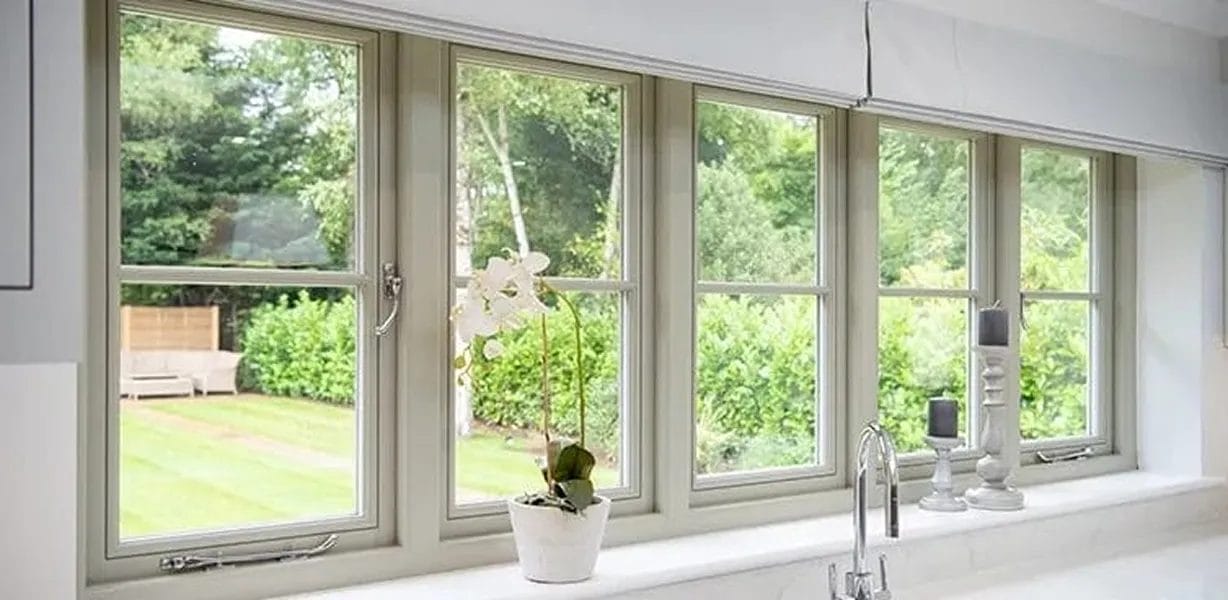
Where replacement is appropriate, bespoke timber casement windows can be designed around the property’s proportions and detailing. The glazing specification should be considered alongside the frame profiles, glazing bars, opening arrangement and finish.
This allows the project to address the overall appearance of the window, rather than treating the glass as a separate decision.
Check Heritage Requirements Before Ordering
Slimline double glazing is not automatically suitable or approved simply because it is described as a heritage product.
For listed buildings in England, installing it within historic frames is likely to require listed building consent. The acceptability of the work depends on the windows and the effect of the proposed alterations.
Conservation area controls can also affect window alterations, particularly where an Article 4 Direction applies. Check the requirements with the local planning authority before committing to manufacture or installation.
If your property is listed, our guide to upgrading windows without losing historic character explores the wider considerations involved in a sensitive window project.
Consider the Alternatives Before Deciding
If listed building restrictions prevent window replacement or double glazing, repairs, draught-proofing or secondary glazing may offer other ways to improve thermal performance. Historic England’s advice on upgrading older windows explains these options and their suitability for historic properties.
Premium Timber Windows supplies complete replacement windows, with slimline double glazing available where larger units would be unsuitable and the necessary permissions allow.
Frequently Asked Questions
Is slimline double glazing suitable for every historic property?
No. Suitability depends on the property’s heritage requirements and the glazing specification permitted. The aim is to use the deepest suitable double-glazed unit allowed, but restrictions may limit this to a slimmer unit, such as 14mm. The permitted depth should be confirmed before manufacture.
Can replacement sash windows include slimline double glazing?
Yes. Our made-to-measure timber sash windows can include slimline double glazing where heritage requirements limit the glazing depth. We replace the complete window, with new frames, glazing and fittings designed to work together.
Will slimline double glazing look identical to single glazing?
Not necessarily. The glass, reflections and edge details can differ. Reviewing samples and proposed window sections can help you understand the likely appearance before making a decision.
Will new windows with slimline double glazing help reduce draughts?
Yes. Our replacement timber windows combine slimline double glazing with new frames and high-quality draught seals. These elements work together to reduce draughts and heat loss, helping keep your home warmer and more comfortable.
Is secondary glazing the same as slimline double glazing?
No. Slimline double glazing combines two panes within one sealed unit. Secondary glazing adds a separate internal glazing layer behind the existing window.