What to Expect During a Bespoke Timber Window Project
Read time: 8 Minutes
Choosing bespoke timber windows is not usually a quick, off-the-shelf decision. For many homeowners, it forms part of a wider property improvement, renovation or long-term investment in the character and comfort of the home.
Process matters just as much as the final product
A well-managed timber window project should give you clarity from the beginning. You should understand what is being recommended, why it suits your property, how the windows will be made and what to expect before, during and after installation.
Here is what the journey typically involves.
The First Conversation and Sales Meeting
Most projects begin with a sales meeting or first conversation about your home, your priorities and what you are hoping to achieve.
Some homeowners come to us because their existing windows are draughty, difficult to maintain or no longer performing as they should. Others are renovating a period property, planning a whole-house upgrade or replacing windows that do not suit the architecture of the building.
At this stage, the goal is not just to talk about products. It is to understand the property and the direction of the project.
This may include:
- The age and style of the home
- The type of windows currently installed
- Whether the property is listed or in a conservation area
- The look you want to preserve or improve
- Any issues with warmth, noise, security or day-to-day use
- Whether doors are also part of the project
During this early stage, largely accurate dimensions may also be taken. These help the team prepare an informed quotation and give you a clearer idea of the likely project cost before anything is finalised.
A good bespoke window company should take time to understand these details before recommending a solution.
Understanding the Right Style for Your Home
One of the main advantages of bespoke timber windows is that they can be designed around the property, rather than forcing the property to suit a standard product.
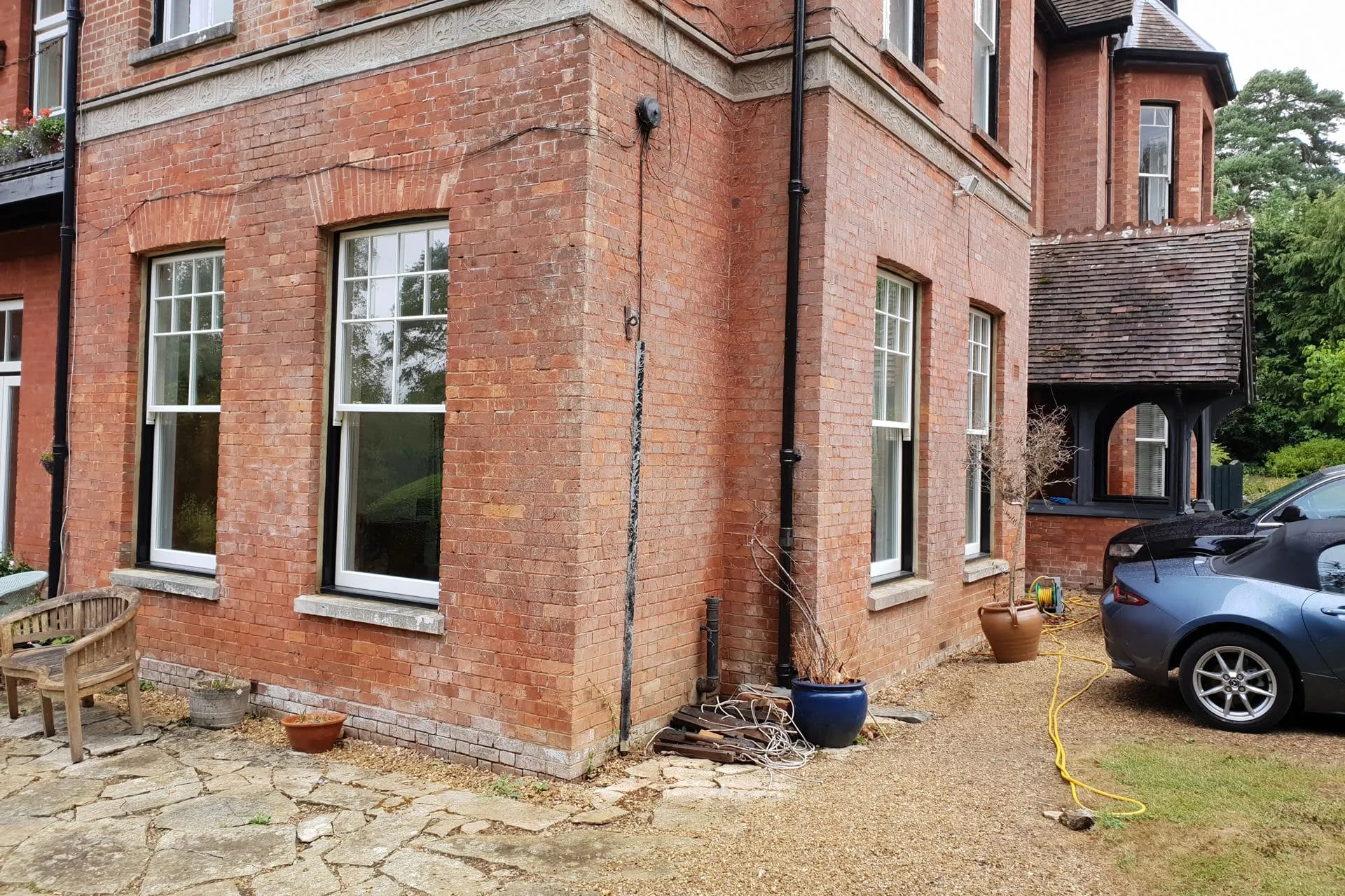
For some homes, this may mean traditional sliding sash windows with carefully considered proportions. For others, timber casement windows may be more suitable. The glazing bars, frame depth, opening style, paint finish and ironmongery all play a part in how the finished windows will look.
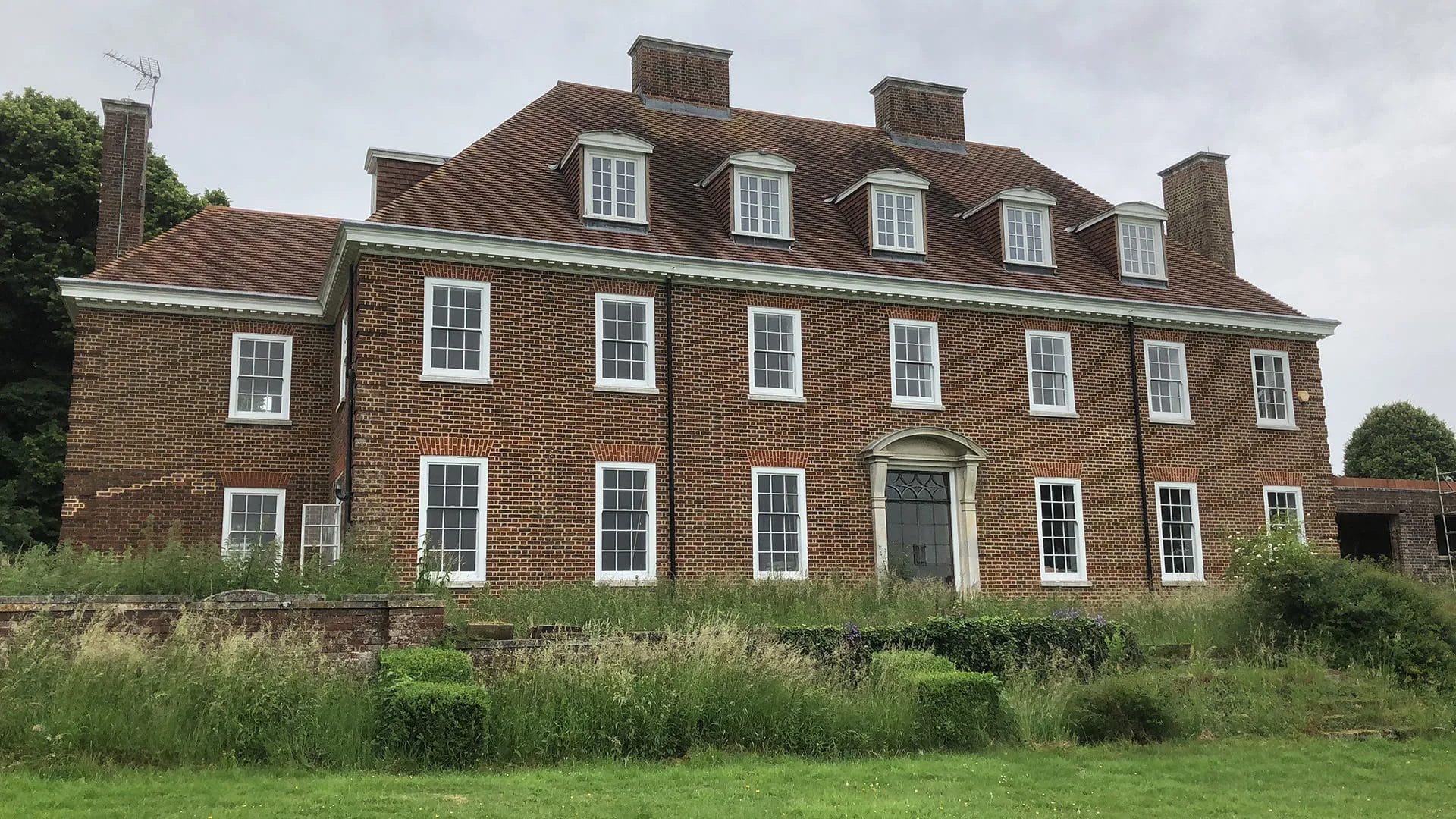
This is especially important for period homes, country properties and houses with strong architectural character. The wrong window style can change the appearance of a home significantly. The right one should feel natural, balanced and in keeping with the building.
Quotation and Design Options
After the first conversation and initial measurements, a quotation can be prepared.
Depending on the project, this may be based on one clear recommended option or a couple of design routes if you are considering different styles, specifications or finishes. This gives you the opportunity to compare the options, ask questions and understand what will work best for your home.
At this stage, the details can be tweaked and refined. You may want to adjust the window style, review glazing bar layouts, compare paint finishes, discuss ironmongery or explore whether doors should be included as part of the wider project.
This part of the process is designed to give you clarity before making a final decision. It allows the design, specification and quotation to be aligned before the order is placed.
Final Quote, Order Paperwork and Final Survey
Once the specification has been agreed and the final quotation is approved, you can proceed to place the order.
The order paperwork is then issued, setting out the agreed details of the project. After this, a final survey is arranged to ensure everything is 100% accurate before production begins.
This final survey is an important stage in a bespoke timber window project. It confirms the exact measurements, checks the practical installation details and ensures the windows can be manufactured precisely for your home.
Because bespoke timber windows are made to order, this step helps protect the quality of the finished result. It gives both you and the production team confidence that the agreed specification is correct before manufacturing starts.
Design Details and Specification
Before the windows go into manufacture, the full specification should be clear and agreed.
This is where the project becomes fully tailored. Homeowners may need to make decisions around:
- Window style
- Glazing options
- Paint or stain colour
- Ironmongery finish
- Opening configuration
- Glazing bar design
- Trickle ventilation where required
- Matching doors or other joinery
For many homeowners, this is one of the most important parts of the project. The aim is to create windows that improve performance without losing the look and feel that made the property special in the first place.
Good preparation at this stage helps avoid changes later and gives the project a smoother path from order to manufacture.
Manufacturing Your Timber Windows
Once the design and specification are approved, the windows can be manufactured.
Unlike standard replacement windows, bespoke timber windows are made specifically for your home. This allows the design, proportions and finish to be tailored to the property rather than selected from a limited standard range.
This stage requires careful craftsmanship and attention to detail. The quality of the timber, the machining, the glazing, the finish and the assembly all contribute to how the windows perform and how long they last.
For homeowners, this is why it is worth making decisions carefully before manufacture begins. Good preparation helps avoid changes later and gives the project a smoother path from design to installation.
Planning and Building Considerations
For many homes, replacing windows is straightforward. However, some properties need extra care.
If your home is listed, located in a conservation area or affected by an Article 4 Direction, you may need to check what permissions or restrictions apply before replacing your windows. Even where formal permission is not required, it is still important that the new windows are appropriate for the property.
There may also be Building Regulations requirements to consider for replacement windows and external doors. A professional team should be able to guide you on the relevant process and explain what documentation may be needed once the project is complete.
Preparing for Installation
Before installation begins, you should have a clear idea of the schedule, the areas being worked on and any preparation needed inside the home.
In most cases, homeowners may need to move furniture away from windows, remove curtains or blinds and allow access to the rooms being worked in. If the property is occupied during the installation, it is helpful to understand which rooms will be affected and when.
A good installation team should aim to work carefully, protect the home as far as possible and keep disruption to a minimum.
The Installation Stage
Installation is where the planning, manufacturing and site preparation come together.
The existing windows are removed, the openings are prepared and the new timber windows are fitted. Careful installation is essential because even a beautifully made window needs to be fitted correctly to perform as intended.
This stage is also important for the finish of the project. The way the windows sit in the opening, the sealing, trims, making good and final adjustments all affect the finished result.
The goal is not simply to replace old windows with new ones. It is to leave the home looking considered, complete and improved.
Final Checks and Aftercare
Once the windows are installed, final checks should be carried out to make sure everything opens, closes and operates as expected.
You should also be given guidance on how to care for your new timber windows. Modern timber windows are designed to be far easier to maintain than many people expect, but they still benefit from simple ongoing care.
This may include cleaning, checking finishes, keeping drainage channels clear and looking after ironmongery over time.
Why the Process Matters
For most homeowners, bespoke timber windows are not just a product purchase. They are part of the long-term future of the property.
The right process gives you confidence at every stage. It helps protect the character of your home, improves comfort and ensures the finished windows feel like they belong.
From the first conversation through to the final installation, a bespoke timber window project should feel personal, considered and carefully managed.
Thinking About a Project?
If you are planning to replace your timber windows, upgrade a period home or improve the look and performance of your property, our team would be happy to help.
Tell us about your home, your plans and what you would like to achieve. We can guide you through the options and help you understand the best next step for your project.